
Heart disease continues to be one of the world's leading health concerns, making prevention a priority for millions of people. While regular exercise, maintaining a healthy weight, and avoiding smoking are all important, research suggests that what you eat can also play a significant role in protecting your heart.
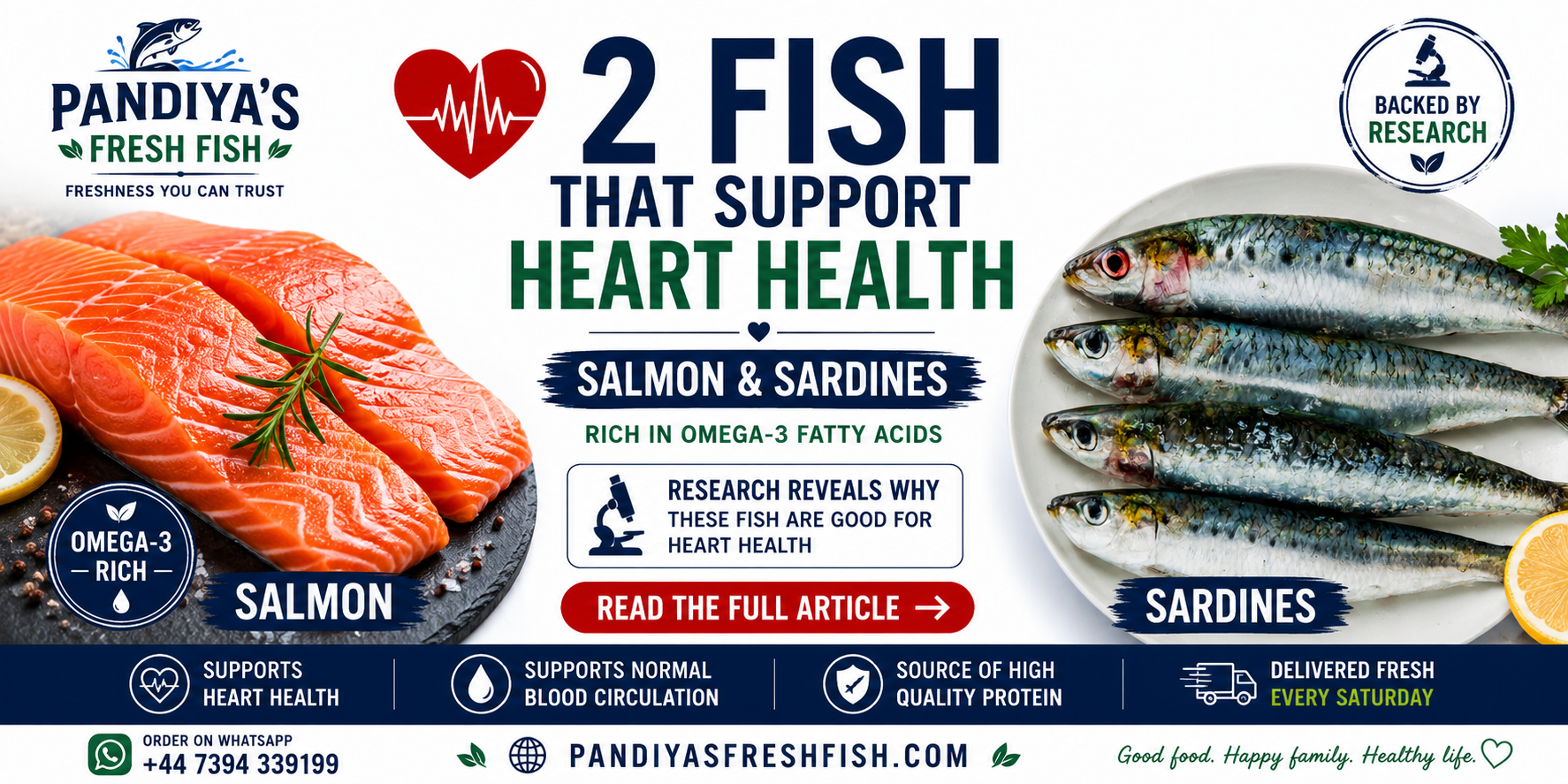
Among the foods most consistently associated with cardiovascular benefits are salmon and sardines. These two fish are rich in omega-3 fatty acids, nutrients that have been extensively studied for their positive effects on heart health.
Why Salmon and Sardines?
Salmon and sardines contain high levels of the omega-3 fatty acids EPA (Eicosapentaenoic Acid) and DHA (Docosahexaenoic Acid). These essential fats are known to support heart health in several ways:
- Help lower triglyceride levels
- Reduce inflammation in blood vessels
- Support healthy blood pressure
- Improve blood vessel function
- Reduce the risk of abnormal heart rhythms
Together, these benefits may contribute to a lower risk of heart attacks and other cardiovascular events.
What Does the Research Say?
Multiple large-scale studies and meta-analyses have found that people who regularly consume fatty fish tend to have a lower risk of coronary heart disease and heart attacks compared to those who consume little or no fish.
Research suggests that omega-3 fatty acids from fish may help reduce:
- Heart attack risk
- Fatal coronary heart disease events
- Cardiovascular mortality
- Overall cardiovascular disease risk
While fish consumption alone cannot guarantee protection from heart disease, the evidence indicates that it can be an important part of a heart-healthy lifestyle.
The Benefits of Salmon
Salmon is widely regarded as one of the most nutritious fish available. In addition to omega-3s, it provides:
- High-quality protein
- Vitamin D
- Vitamin B12
- Selenium
- Potassium
Regular consumption of salmon may help support healthy cholesterol levels and cardiovascular function.
Why Sardines Are a Heart-Healthy Choice
Sardines are often overlooked despite being nutritional powerhouses. They offer:
- Abundant omega-3 fatty acids
- High-quality protein
- Calcium for bone health
- Vitamin D
- Lower mercury levels compared to many larger fish species
Because sardines are smaller fish, they generally accumulate fewer environmental contaminants, making them a smart seafood choice.
How Much Fish Should You Eat?
Health experts commonly recommend consuming at least two servings of fatty fish per week as part of a balanced diet.
A typical serving is approximately:
- 100–150 grams of cooked fish
Including salmon and sardines in your weekly meals can be a simple and delicious way to support long-term heart health.
The Bigger Picture
It's important to remember that no single food can completely prevent a heart attack. The greatest benefits come when fish consumption is combined with:
- Regular physical activity
- A diet rich in fruits and vegetables
- Healthy weight management
- Blood pressure control
- Adequate sleep
- Avoiding tobacco products
Final Thoughts
Scientific research continues to highlight the benefits of omega-3-rich fish such as salmon and sardines for cardiovascular health. While they are not a cure-all, regularly including these fish in your diet may help reduce heart attack risk and support a healthier heart for years to come.

Comments 0
No comments yet. Be the first to share your thoughts.